
How Many Christmas Lights Do You Need for Your Tree?
Too few strands and the tree goes patchy; too many and you are storing a tangle until July. One simple rule of thumb ends the guessing for good.
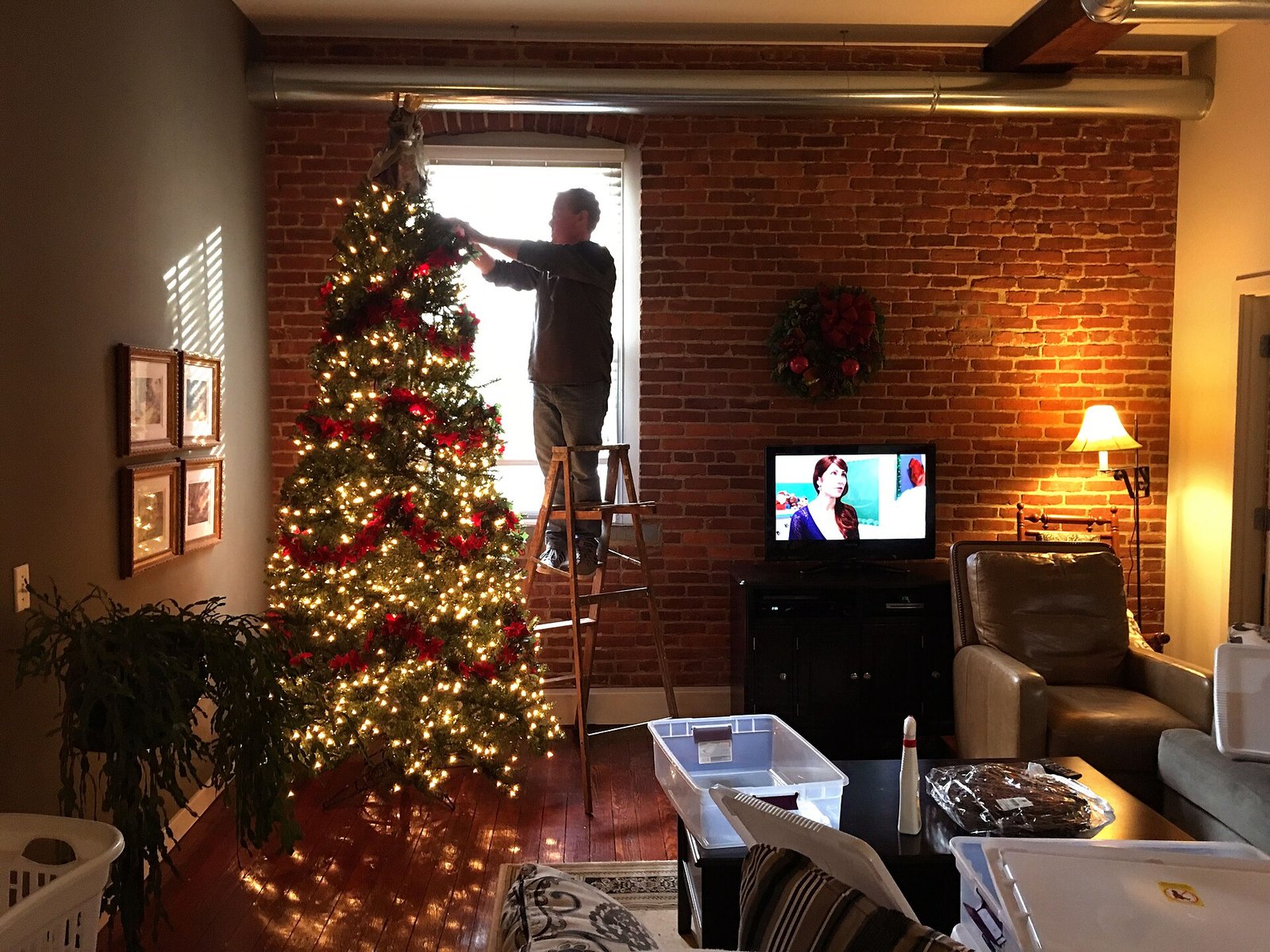
Fast answer: Plan on about 100 lights for every foot of tree height — roughly 600 lights for a 6-foot tree, 750 for a 7.5-foot tree, 900 for a 9-footer. Love a rich, glowing tree? Go to 150 per foot. Then buy 10 to 15 percent more than your number, because one strand will always misbehave.
Every December, in living rooms everywhere, the same small drama plays out. The tree is up, the boxes are open, somebody is halfway up a step ladder — and there are either three strands too few, with a dark patch blooming on the back side, or a tangled surplus nobody needed. The good news is that Christmas tree lights are one of the most solvable problems of the season. There is a rule of thumb, it works, and once you know your number you can shop once and decorate in peace.
The Rule: 100 Lights Per Foot
The widely used guideline from professional decorators is simple: 100 lights per vertical foot of tree height. Since a classic strand holds about 100 bulbs, that works out to roughly one strand per foot — easy to remember, easy to shop for. Here is what it looks like in real living rooms:
| Tree height | Standard glow (100/ft) | Rich glow (150/ft) |
|---|---|---|
| 4 feet | 400 lights | 600 lights |
| 6 feet | 600 lights | 900 lights |
| 7.5 feet | 750 lights | 1,100+ lights |
| 9 feet | 900 lights | 1,350+ lights |
Two honest adjustments. First, fullness: a slim or pencil tree has noticeably less branch surface than a full tree of the same height, so slim trees can sit at the low end while very full trees earn the extra strands. Second, taste: 100 per foot is the warm, even, classic look. Minimalist and Scandinavian-style trees glow happily at less; the dense, department-store, lit-from-within look starts around 150 to 200 per foot — and at that density, LEDs are the only sensible choice, for heat and for your electric bill. If you are still choosing the tree itself, our Decor, Trees and Lights picks include pre-lit options that take this whole calculation off your plate.
Strands, Feet, and the Numbers on the Box
Boxes speak two languages — bulb count and strand length — and it helps to translate. Traditional mini-light strands are commonly 100 bulbs on about 25 feet of lit length, so the 100-per-foot rule and the strand count line up neatly: a 6-foot tree wants about six of those strands, or roughly 150 feet of lights. Modern LED strands pack bulbs differently, so shop by bulb count first and length second.
Then check the fine print nobody reads: how many strands can be connected end to end. It varies by type — many LED sets allow several to connect in a run, incandescent sets usually fewer — and exceeding the limit is how fuses blow on December 23rd. Plan your runs from the outlet up, test every strand before it goes on the tree (plug it in on the floor; a dead strand discovered mid-tree is a special kind of misery), and wind from the trunk outward and back, branch by branch, rather than just circling the outside. That trunk-to-tip weaving is the whole secret of the deep, glowing look: the lights live inside the tree, not just on its surface.
Lights Go On First. Always.
Order matters more than almost anything else in tree decorating: lights first, then garland, then ornaments, then the topper. Ornaments hung before lights create shadows you cannot fix afterward, and you will spend the season reaching past baubles to adjust strands. With the lights in place first, every ornament you hang afterward gets placed inside the glow — backlit, intentional. Our step-by-step tree decorating ideas lay out the full sequence, and our tree topper guide covers the finishing piece once the lights are done.
Warm White, Multicolor, or Both?
The classic Christmas tree glow — and the one that photographs like a movie scene — is warm white, around the candlelight end of the scale. It flatters gold and red ornaments, green branches, and every skin tone in the family photos. Multicolor is joy itself, especially with kids, and it is the nostalgic choice for a lot of families. Mixing can work beautifully with a little discipline: keep it to two colors or two temperatures, distributed evenly, rather than three-plus types competing. Whatever you choose, buy all your strands in the same shopping trip from the same line — "warm white" varies more between brands than anyone expects, and a mismatched strand glows like a wrong note.
Beyond the Tree
Once the tree number is handled, the rest of the house is mercifully simple. A mantel or stair railing needs only a short strand or two — measure the run and remember roughly 3 lights per linear foot at typical spacing reads as a gentle outline rather than a solid line. Windows take a strand or two each depending on size. Outdoors, the same per-foot thinking applies to rooflines and shrubs; our outdoor decorating guide covers the curb-appeal side of the season.
Finally, a January kindness to your future self: coil each strand around a piece of cardboard or a cord reel, label the count, and write your tree's number on the box — "750, plus one spare." Next December you will skip the drama entirely, put the lights on in one calm pass, and be on the couch in time for the first Christmas movie night of the season, which is where all of this was supposed to lead anyway. Browse the full movie catalog while the tree glows — you have earned the good seat.
Shop This Article
As an Amazon Associate we earn from qualifying purchases — thank you for supporting the site.
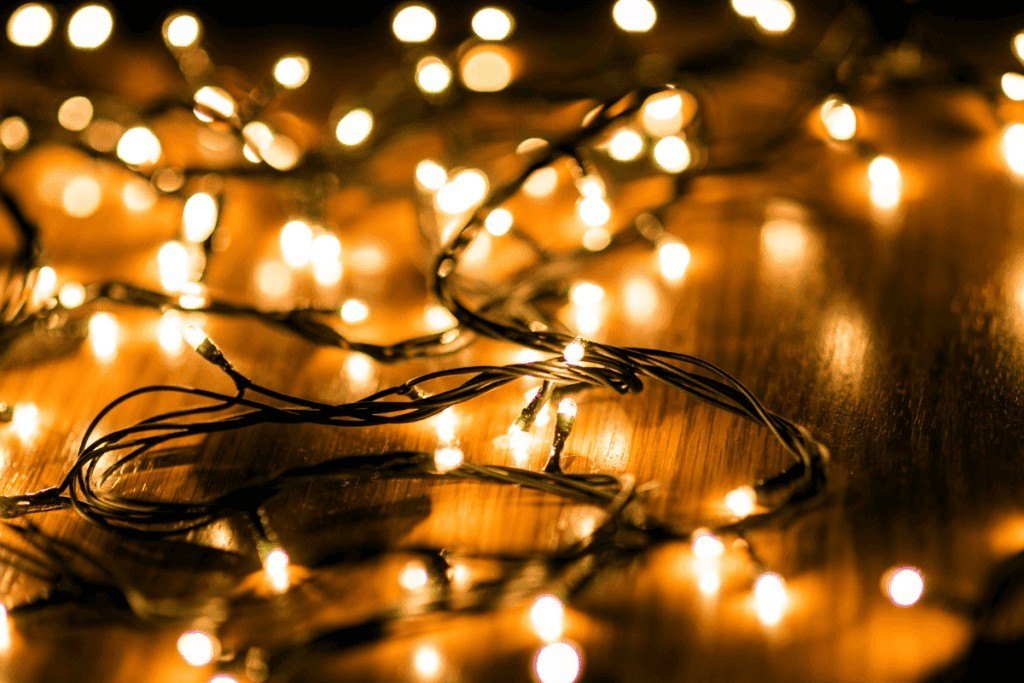
Warm White Christmas String Lights
The classic warm glow in connectable strands — buy by the 100-bulb count and match your tree's number from the chart above.
See it on AmazonPrice shown at checkout applies.
High-Count LED Christmas Tree Lights
For the rich 150-per-foot look: high-count LED strands that stay cool, sip power, and connect in longer runs.
See it on AmazonPrice shown at checkout applies.
Battery-Operated Fairy Lights
No outlet required — the easy answer for wreaths, mantels, tabletop trees, and the dark corner every room seems to have.
See it on AmazonPrice shown at checkout applies.
Questions People Ask
How many lights do I need for a 7.5-foot Christmas tree?
About 750 lights using the standard rule of 100 lights per foot of height — roughly seven or eight 100-bulb strands. For a fuller, brighter look, go up to around 1,100 lights at 150 per foot.
How many Christmas lights per foot of tree is standard?
100 lights per foot of tree height is the widely used standard for a warm, even glow. Decorators use about 150 per foot for a rich, dense look, and minimalist trees can glow nicely with fewer.
Should Christmas lights go on before or after ornaments?
Before — always. Lights first, then garland, then ornaments. Ornaments hung first block the light and create shadows that are almost impossible to fix afterward; hanging ornaments into an already-lit tree places each one inside the glow.
How many strands of lights can I safely connect together?
It depends on the set — check the manufacturer's limit on the box. Many LED strands allow several to connect end to end, while incandescent sets usually allow fewer. Exceeding the limit can blow a fuse, so plan your runs before you start.
How many extra lights should I buy?
Buy about 10 to 15 percent more than your calculated number. Dead bulbs, one faulty strand, and denser-than-expected branches will use up the buffer quickly — and matching warm-white tones across brands is harder than it looks.